
Tag: online learning

 0 Comment on # Blooket (@PlayBlooket): Giving Classroom Review a Whole New Energy Classroom review does not have to mean another worksheet, another stack of questions, or another quiet session where students count the minutes until the bell rings. With the right approach, reviewing a lesson can become something students actually want to take part in. That is the idea behind **Blooket (@PlayBlooket)**, a game-based learning platform that brings competition, creativity, and interaction into academic practice. At its heart, Blooket connects questions with gameplay. Instead of answering questions as an isolated activity, students can use their knowledge while participating in different game experiences. The result is a learning environment that feels less like a traditional test and more like an activity everyone can get involved in. ## Turning Questions Into an Experience A good classroom game needs more than colorful graphics. It needs a reason for students to pay attention. Blooket approaches this by making the answers part of the gameplay itself. Teachers can select a question set and choose a game mode that fits their lesson. Students then answer questions while working toward in-game goals. Depending on the selected mode, the activity can involve competition, strategy, speed, or individual progress. This variety is useful because not every class responds to the same style of review. One group may enjoy a quick competitive challenge, while another may benefit from a slower activity that gives them more time to think. ## Teachers Stay in Control The game may be the exciting part, but the teacher still controls the educational direction. Teachers can create their own question sets or select from Blooket’s extensive collection of existing sets. Official Blooket resources currently describe question sets as the foundation of its games, with millions of sets available for users to explore. That means the same platform can be adapted to different subjects, grade levels, and learning goals. A teacher reviewing vocabulary can build one type of activity, while a science or mathematics teacher can create questions specifically around the material students have recently studied. ## More Than One Way to Play One of the interesting parts of Blooket is its collection of game modes. The official platform lists more than 25 modes across live play, solo practice, and homework activities. This keeps the experience from becoming predictable. Students might encounter a straightforward quiz one day and a completely different challenge during the next review session. There are also options for independent practice. For example, Blooket’s Study mode focuses on solo review in a flashcard-style format, allowing students to concentrate on the questions without the more complicated mechanics of other games. ## Why the Playful Side Matters The biggest advantage of game-based review is not simply that it looks more entertaining. Interaction can give students another reason to participate. Blooket’s collectible Blooks add another small layer of motivation. According to Blooket’s help materials, students can collect these characters, earn coins and experience through gameplay, and use collectibles as part of their profiles and activities. For some students, that extra sense of progress can make repetitive practice feel more rewarding. Of course, the educational value still depends on the questions being used. A flashy game cannot replace good teaching. What makes a platform like Blooket useful is the combination: meaningful questions provide the learning objective, while gameplay provides an engaging way to approach them. ## A Simple Classroom Routine Using Blooket does not have to require a complicated lesson plan. A teacher can begin with a topic students have already studied, choose or create an appropriate question set, select a suitable game mode, and then invite students to participate. For live games, students can join using a game code, QR code, or shared link. Blooket’s student guide notes that an account is not required simply to join a live game. After the activity, the teacher can use the results to see where students performed well and where additional explanation may be needed. Blooket itself highlights reports and feedback as part of its platform. This makes the game more than a five-minute distraction. It can become part of a larger teaching cycle: introduce a concept, practice it, review it through gameplay, and identify areas that still need attention. ## Keeping Learning at the Center The most effective use of **Blooket (@PlayBlooket)** is not about turning every lesson into a competition. Sometimes students need quiet study, discussion, writing, or direct instruction. A game is simply another tool teachers can add to their teaching toolbox. Used at the right moment, however, it can change the atmosphere of a review session. Students get an opportunity to test what they know, react to questions, and learn from mistakes while remaining involved in the activity. That is what makes the idea behind Blooket appealing. It does not try to remove education from the classroom. Instead, it adds an element of play around the learning that is already taking place. ## The Future of Classroom Review Education continues to move beyond the traditional boundaries of textbooks and paper-based exercises. Digital tools give teachers new ways to present familiar material, and students increasingly expect learning experiences to be interactive. **Blooket (@PlayBlooket)** sits comfortably within that shift. Its approach is straightforward: take educational questions, place them inside engaging game formats, and give teachers different ways to use the experience. The real goal is not simply to make students play. It is to make them want to participate while they are learning. When action and education work together, a review session can become more than a routine check of memory. It can become an opportunity to compete, experiment, think quickly, and discover that studying does not always have to feel like studying.

# Blooket (@PlayBlooket): Giving Classroom Review a Whole New Energy Classroom review does not have to mean another worksheet, another stack of questions, or another quiet session where students count the minutes until the bell rings. With the right approach, reviewing a lesson can become something students actually want to take part in. That is the idea behind **Blooket (@PlayBlooket)**, a game-based learning platform that brings competition, creativity, and interaction into academic practice. At its heart, Blooket connects questions with gameplay. Instead of answering questions as an isolated activity, students can use their knowledge while participating in different game experiences. The result is a learning environment that feels less like a traditional test and more like an activity everyone can get involved in. ## Turning Questions Into an Experience A good classroom game needs more than colorful graphics. It needs a reason for students to pay attention. Blooket approaches this by making the answers part of the gameplay itself. Teachers can select a question set and choose a game mode that fits their lesson. Students then answer questions while working toward in-game goals. Depending on the selected mode, the activity can involve competition, strategy, speed, or individual progress. This variety is useful because not every class responds to the same style of review. One group may enjoy a quick competitive challenge, while another may benefit from a slower activity that gives them more time to think. ## Teachers Stay in Control The game may be the exciting part, but the teacher still controls the educational direction. Teachers can create their own question sets or select from Blooket’s extensive collection of existing sets. Official Blooket resources currently describe question sets as the foundation of its games, with millions of sets available for users to explore. That means the same platform can be adapted to different subjects, grade levels, and learning goals. A teacher reviewing vocabulary can build one type of activity, while a science or mathematics teacher can create questions specifically around the material students have recently studied. ## More Than One Way to Play One of the interesting parts of Blooket is its collection of game modes. The official platform lists more than 25 modes across live play, solo practice, and homework activities. This keeps the experience from becoming predictable. Students might encounter a straightforward quiz one day and a completely different challenge during the next review session. There are also options for independent practice. For example, Blooket’s Study mode focuses on solo review in a flashcard-style format, allowing students to concentrate on the questions without the more complicated mechanics of other games. ## Why the Playful Side Matters The biggest advantage of game-based review is not simply that it looks more entertaining. Interaction can give students another reason to participate. Blooket’s collectible Blooks add another small layer of motivation. According to Blooket’s help materials, students can collect these characters, earn coins and experience through gameplay, and use collectibles as part of their profiles and activities. For some students, that extra sense of progress can make repetitive practice feel more rewarding. Of course, the educational value still depends on the questions being used. A flashy game cannot replace good teaching. What makes a platform like Blooket useful is the combination: meaningful questions provide the learning objective, while gameplay provides an engaging way to approach them. ## A Simple Classroom Routine Using Blooket does not have to require a complicated lesson plan. A teacher can begin with a topic students have already studied, choose or create an appropriate question set, select a suitable game mode, and then invite students to participate. For live games, students can join using a game code, QR code, or shared link. Blooket’s student guide notes that an account is not required simply to join a live game. After the activity, the teacher can use the results to see where students performed well and where additional explanation may be needed. Blooket itself highlights reports and feedback as part of its platform. This makes the game more than a five-minute distraction. It can become part of a larger teaching cycle: introduce a concept, practice it, review it through gameplay, and identify areas that still need attention. ## Keeping Learning at the Center The most effective use of **Blooket (@PlayBlooket)** is not about turning every lesson into a competition. Sometimes students need quiet study, discussion, writing, or direct instruction. A game is simply another tool teachers can add to their teaching toolbox. Used at the right moment, however, it can change the atmosphere of a review session. Students get an opportunity to test what they know, react to questions, and learn from mistakes while remaining involved in the activity. That is what makes the idea behind Blooket appealing. It does not try to remove education from the classroom. Instead, it adds an element of play around the learning that is already taking place. ## The Future of Classroom Review Education continues to move beyond the traditional boundaries of textbooks and paper-based exercises. Digital tools give teachers new ways to present familiar material, and students increasingly expect learning experiences to be interactive. **Blooket (@PlayBlooket)** sits comfortably within that shift. Its approach is straightforward: take educational questions, place them inside engaging game formats, and give teachers different ways to use the experience. The real goal is not simply to make students play. It is to make them want to participate while they are learning. When action and education work together, a review session can become more than a routine check of memory. It can become an opportunity to compete, experiment, think quickly, and discover that studying does not always have to feel like studying.

Classroom review does not have to mean another worksheet, another stack of questions, or another quiet session…

Continue Reading # Blooket (@PlayBlooket): Giving Classroom Review a Whole New Energy Classroom review does not have to mean another worksheet, another stack of questions, or another quiet session where students count the minutes until the bell rings. With the right approach, reviewing a lesson can become something students actually want to take part in. That is the idea behind **Blooket (@PlayBlooket)**, a game-based learning platform that brings competition, creativity, and interaction into academic practice. At its heart, Blooket connects questions with gameplay. Instead of answering questions as an isolated activity, students can use their knowledge while participating in different game experiences. The result is a learning environment that feels less like a traditional test and more like an activity everyone can get involved in. ## Turning Questions Into an Experience A good classroom game needs more than colorful graphics. It needs a reason for students to pay attention. Blooket approaches this by making the answers part of the gameplay itself. Teachers can select a question set and choose a game mode that fits their lesson. Students then answer questions while working toward in-game goals. Depending on the selected mode, the activity can involve competition, strategy, speed, or individual progress. This variety is useful because not every class responds to the same style of review. One group may enjoy a quick competitive challenge, while another may benefit from a slower activity that gives them more time to think. ## Teachers Stay in Control The game may be the exciting part, but the teacher still controls the educational direction. Teachers can create their own question sets or select from Blooket’s extensive collection of existing sets. Official Blooket resources currently describe question sets as the foundation of its games, with millions of sets available for users to explore. That means the same platform can be adapted to different subjects, grade levels, and learning goals. A teacher reviewing vocabulary can build one type of activity, while a science or mathematics teacher can create questions specifically around the material students have recently studied. ## More Than One Way to Play One of the interesting parts of Blooket is its collection of game modes. The official platform lists more than 25 modes across live play, solo practice, and homework activities. This keeps the experience from becoming predictable. Students might encounter a straightforward quiz one day and a completely different challenge during the next review session. There are also options for independent practice. For example, Blooket’s Study mode focuses on solo review in a flashcard-style format, allowing students to concentrate on the questions without the more complicated mechanics of other games. ## Why the Playful Side Matters The biggest advantage of game-based review is not simply that it looks more entertaining. Interaction can give students another reason to participate. Blooket’s collectible Blooks add another small layer of motivation. According to Blooket’s help materials, students can collect these characters, earn coins and experience through gameplay, and use collectibles as part of their profiles and activities. For some students, that extra sense of progress can make repetitive practice feel more rewarding. Of course, the educational value still depends on the questions being used. A flashy game cannot replace good teaching. What makes a platform like Blooket useful is the combination: meaningful questions provide the learning objective, while gameplay provides an engaging way to approach them. ## A Simple Classroom Routine Using Blooket does not have to require a complicated lesson plan. A teacher can begin with a topic students have already studied, choose or create an appropriate question set, select a suitable game mode, and then invite students to participate. For live games, students can join using a game code, QR code, or shared link. Blooket’s student guide notes that an account is not required simply to join a live game. After the activity, the teacher can use the results to see where students performed well and where additional explanation may be needed. Blooket itself highlights reports and feedback as part of its platform. This makes the game more than a five-minute distraction. It can become part of a larger teaching cycle: introduce a concept, practice it, review it through gameplay, and identify areas that still need attention. ## Keeping Learning at the Center The most effective use of **Blooket (@PlayBlooket)** is not about turning every lesson into a competition. Sometimes students need quiet study, discussion, writing, or direct instruction. A game is simply another tool teachers can add to their teaching toolbox. Used at the right moment, however, it can change the atmosphere of a review session. Students get an opportunity to test what they know, react to questions, and learn from mistakes while remaining involved in the activity. That is what makes the idea behind Blooket appealing. It does not try to remove education from the classroom. Instead, it adds an element of play around the learning that is already taking place. ## The Future of Classroom Review Education continues to move beyond the traditional boundaries of textbooks and paper-based exercises. Digital tools give teachers new ways to present familiar material, and students increasingly expect learning experiences to be interactive. **Blooket (@PlayBlooket)** sits comfortably within that shift. Its approach is straightforward: take educational questions, place them inside engaging game formats, and give teachers different ways to use the experience. The real goal is not simply to make students play. It is to make them want to participate while they are learning. When action and education work together, a review session can become more than a routine check of memory. It can become an opportunity to compete, experiment, think quickly, and discover that studying does not always have to feel like studying.
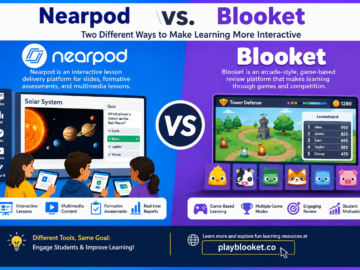
Nearpod and Blooket comparison showing interactive lessons and game-based learning

Nearpod vs. Blooket: Two Different Ways to Make Learning More Interactive

Digital learning has moved far beyond traditional slides and worksheets. Today, teachers can turn lessons into interactive…

Continue Reading Nearpod vs. Blooket: Two Different Ways to Make Learning More Interactive
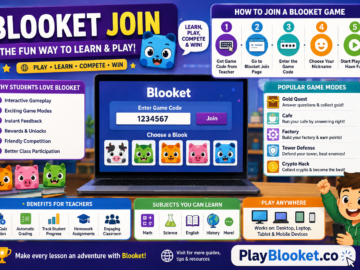
Students joining a Blooket game using a game code on laptops and tablets in a modern classroom, demonstrating interactive learning and game-based education.

Blooket Join: The Complete Guide to Joining Blooket Games and Learning Through Play

Education has changed dramatically over the last few years, with teachers searching for new ways to keep…

Continue Reading Blooket Join: The Complete Guide to Joining Blooket Games and Learning Through Play
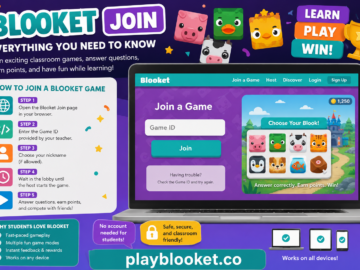
Student joining a Blooket game using a Game ID on playblooket.co with step-by-step instructions for interactive classroom learning

Blooket Join Made Easy: The Complete Guide to Playing Interactive Classroom Games

Blooket Join: Everything You Need to Know Digital learning has transformed the way students participate in classrooms,…

Continue Reading Blooket Join Made Easy: The Complete Guide to Playing Interactive Classroom Games

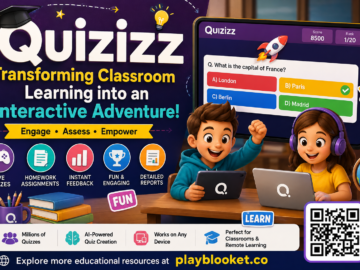
Quizizz: Transforming Classroom Learning into an Interactive Adventure

Quizizz: Making Learning More Interactive Than Ever Modern education has moved far beyond traditional textbooks and paper…

Continue Reading Quizizz: Transforming Classroom Learning into an Interactive Adventure
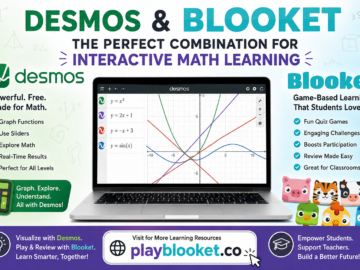
Desmos graphing calculator with Blooket game-based learning platform for interactive math education on playblooket.co

Desmos: The Complete Guide to the Free Graphing Calculator Every Student and Teacher Should Know

Desmos: The Ultimate Guide to Learning Math with Interactive Graphs Mathematics has become far more engaging thanks…

Continue Reading Desmos: The Complete Guide to the Free Graphing Calculator Every Student and Teacher Should Know
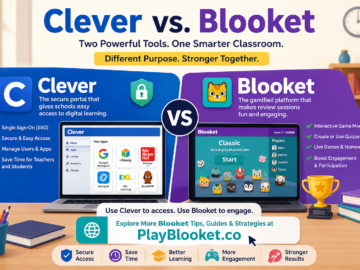
Comparison of Clever, a school single sign-on (SSO) platform, and Blooket, a gamified classroom review tool, showing how both improve digital learning in modern classrooms.

Clever vs. Blooket: Understanding How Schools Use Both for Smarter Digital Learning

Digital learning has become a core part of modern education, and schools now rely on multiple online…

Continue Reading Clever vs. Blooket: Understanding How Schools Use Both for Smarter Digital Learning
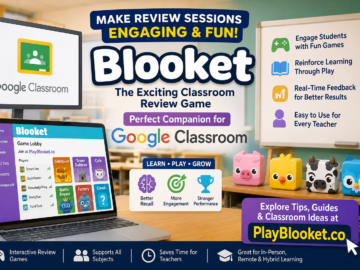
Illustration showing Google Classroom integrated with Blooket for interactive classroom review games, featuring engaging learning activities and PlayBlooket.co as a resource for teachers.

Why Google Classroom Needs More Engaging Review Tools: How Blooket Brings Learning to Life

Introduction Digital learning has transformed the way teachers deliver lessons, assign homework, and communicate with students. Among…

Continue Reading Why Google Classroom Needs More Engaging Review Tools: How Blooket Brings Learning to Life
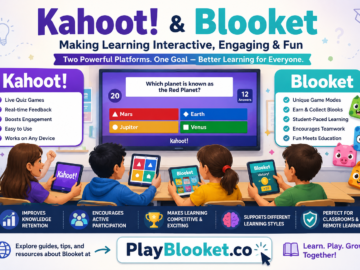
Students using Kahoot and Blooket in a modern classroom to participate in interactive quizzes and game-based learning activities that improve engagement and knowledge retention.

Kahoot in Modern Education: How Interactive Quiz Platforms Like Blooket Are Reshaping Student Learning

The classroom has changed significantly over the past decade. Technology is no longer limited to projectors and…

Continue Reading Kahoot in Modern Education: How Interactive Quiz Platforms Like Blooket Are Reshaping Student Learning
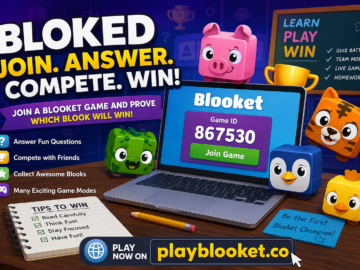
Bloked educational game banner showing students joining a Blooket quiz, answering questions, collecting Blooks, and competing in exciting classroom challenges on playblooket.co.

Bloked: The Smarter Way to Join Blooket Games and Challenge Your Knowledge

Bloked: A Fresh Way to Experience Blooket Quiz Battles Interactive learning has transformed the classroom, making education…

Continue Reading Bloked: The Smarter Way to Join Blooket Games and Challenge Your Knowledge
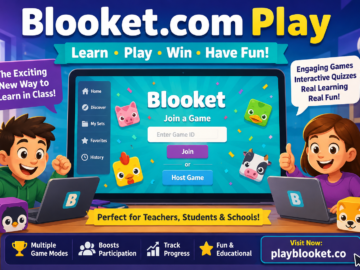
Students enjoying Blooket.com play on laptops during an interactive classroom quiz game designed to make learning fun and engaging.

Blooket.com Play: Transforming Classroom Learning into an Interactive Adventure

Blooket.com Play: A Smarter Way to Make Learning Fun Education has evolved far beyond traditional worksheets and…

Continue Reading Blooket.com Play: Transforming Classroom Learning into an Interactive Adventure
Students using the Bloojet interactive educational game platform in a modern classroom while learning through fun quiz-based activities.

Bloojet: Everything You Should Know About Interactive Learning Games

Digital education has changed the way students learn, making lessons more engaging than ever before. One name…

Continue Reading Bloojet: Everything You Should Know About Interactive Learning Games
Students using Blooket to play interactive educational quiz games in a modern digital classroom for fun and effective learning.

Blooket: Transforming Classroom Learning Through Interactive Educational Games

Booklet Guide: Discovering the Interactive World of Blooket Education continues to evolve as technology introduces more engaging…

Continue Reading Blooket: Transforming Classroom Learning Through Interactive Educational Games
Blooket Join game code screen on laptop for students joining a live classroom quiz

Blooket Join Made Easy: How to Join a Game in Seconds Without Any Confusion

Blooket Join is one of the most searched terms among students, teachers, and parents who want to…

Continue Reading Blooket Join Made Easy: How to Join a Game in Seconds Without Any Confusion